
Hostess Night Club Trends in 2026: What’s Changing?

Explore the latest hostess night club trends in 2026, including AI personalization, immersive entertainment, digital innovation, emotional intelligence, and evolving luxury nightlife experiences shaping the future of the industry.

5/6/20263 min read

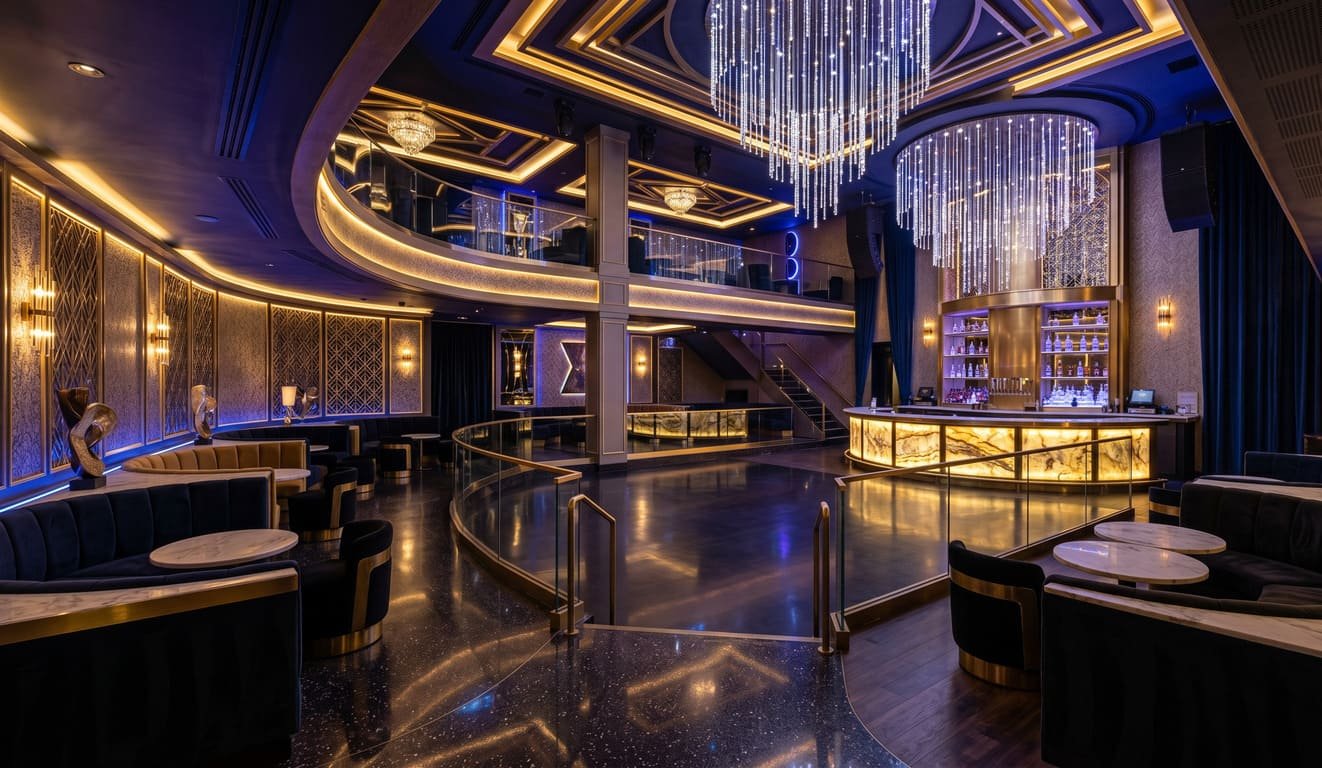
hostess night club
hostess night club

The hostess night club industry has always been closely tied to shifting social norms, nightlife culture, and consumer expectations. In 2026, the sector is undergoing one of its most noticeable transformations in decades. Driven by technology, changing attitudes toward entertainment, and a stronger emphasis on personalized experiences, hostess clubs are no longer just about traditional nightlife—they are becoming hybrid entertainment spaces that blend hospitality, performance, and digital interaction.

Below are the key trends shaping the future of hostess night clubs in 2026.

1. From Traditional Clubs to Experience-Based Entertainment

One of the biggest shifts is the transition from standard hostess club formats to immersive experience venues. Guests are no longer satisfied with simple conversation-based entertainment. Instead, clubs are investing in themed environments, storytelling, and interactive service models.

In 2026, it is common to see clubs designed like cinematic sets—luxury lounges inspired by cyberpunk aesthetics, retro 1980s Tokyo streets, or futuristic digital worlds. Hostesses are increasingly trained not just in communication skills, but also in role-based performance, adapting characters or personas that fit the club’s theme.

This transformation is pushing the industry closer to experiential entertainment sectors such as escape rooms, immersive theaters, and VR lounges.

2. Digital Integration and AI Assistance

Technology is now deeply embedded in hostess club operations. AI-driven booking systems, personalized guest profiles, and smart recommendation engines are standard in many high-end venues.

Some clubs use AI to analyze customer preferences—favorite drinks, conversation styles, music taste—and match them with the most suitable hostess. This increases guest satisfaction and encourages repeat visits.

Additionally, digital concierge systems allow guests to pre-select experiences before arriving. From choosing seating zones to selecting themes for their evening, everything is increasingly customized.

In more advanced clubs, augmented reality (AR) elements are being introduced. Guests may interact with digital overlays during themed nights, enhancing storytelling and visual immersion.

3. Increased Focus on Emotional Intelligence and Training

The role of hostesses is evolving. In 2026, emotional intelligence is considered just as important as appearance or communication skills. Clubs invest heavily in training staff to understand psychology, mood reading, and adaptive conversation techniques.

Hostesses are now expected to manage diverse guest expectations—ranging from casual social interaction to high-end hospitality service. Many clubs run continuous workshops on empathy, communication boundaries, and cultural awareness.

This shift is also improving the professional image of the industry, positioning it closer to luxury hospitality rather than purely nightlife entertainment.

4. Privacy, Safety, and Reputation Management

With growing awareness around privacy and digital footprints, hostess clubs are implementing stricter security and anonymity systems.

Smart entry systems, encrypted guest profiles, and no-phone zones are becoming standard in premium venues. Some clubs even offer facial recognition privacy filters to ensure that guest identities remain protected within internal systems.

At the same time, reputation management for both guests and staff is becoming more structured. Rating systems are being replaced with internal feedback loops that prioritize professional development over public scoring.

This reflects a broader shift toward ethical nightlife environments where comfort and trust are prioritized.

5. Hybrid Social and Networking Spaces

Another major trend in 2026 is the blending of hostess clubs with networking lounges and social clubs. Instead of purely entertainment-focused environments, many venues now host business networking events, private meetings, and cultural gatherings during daytime or early evening hours.

This hybrid model allows clubs to diversify revenue and attract a wider audience. Business professionals, creatives, and international visitors use these spaces not only for leisure but also for informal networking in a relaxed environment.

As a result, hostess clubs are becoming multifunctional social hubs rather than single-purpose nightlife venues.

6. Personalization at Scale

Customer expectations for personalization have reached new levels. Clubs now rely heavily on data-driven hospitality models to tailor every aspect of the experience.

From lighting preferences and music selection to seating arrangements and drink recommendations, everything is customized. Returning guests often find that their preferences are remembered automatically, creating a sense of continuity and exclusivity.

Some premium clubs even assign dedicated “experience managers” who curate entire visits based on guest history.

7. Sustainability and Responsible Nightlife

Sustainability has entered the nightlife industry as well. In 2026, more hostess clubs are adopting eco-friendly practices such as energy-efficient lighting, reduced waste programs, and digital-only menus.

There is also a stronger focus on responsible entertainment. Many clubs implement time-limit systems to encourage balanced social experiences and prevent overindulgence.

This aligns with global hospitality trends that prioritize wellness and responsible consumption.

8. Globalization and Cultural Fusion

Hostess clubs are increasingly influenced by international styles. Japanese hostess culture, European lounge aesthetics, and Middle Eastern luxury hospitality are blending into hybrid formats.

This cultural fusion is particularly visible in major global cities, where clubs design multi-themed rooms that reflect different parts of the world.

As international tourism continues to recover and expand, clubs are adapting to serve a more diverse clientele with varied expectations.

Conclusion

The hostess night club industry in 2026 is no longer defined by its traditional image. It is evolving into a sophisticated, technology-enhanced, and experience-driven sector that blends hospitality, entertainment, and digital innovation.

With stronger emphasis on personalization, emotional intelligence, privacy, and immersive design, the industry is positioning itself as a modern form of luxury social entertainment.

What once was a simple nightlife concept is now becoming a complex ecosystem of curated human interaction and advanced experience design.